Spatial Design
Designing spaces around makers, materials and everyday life.
selected work
↓
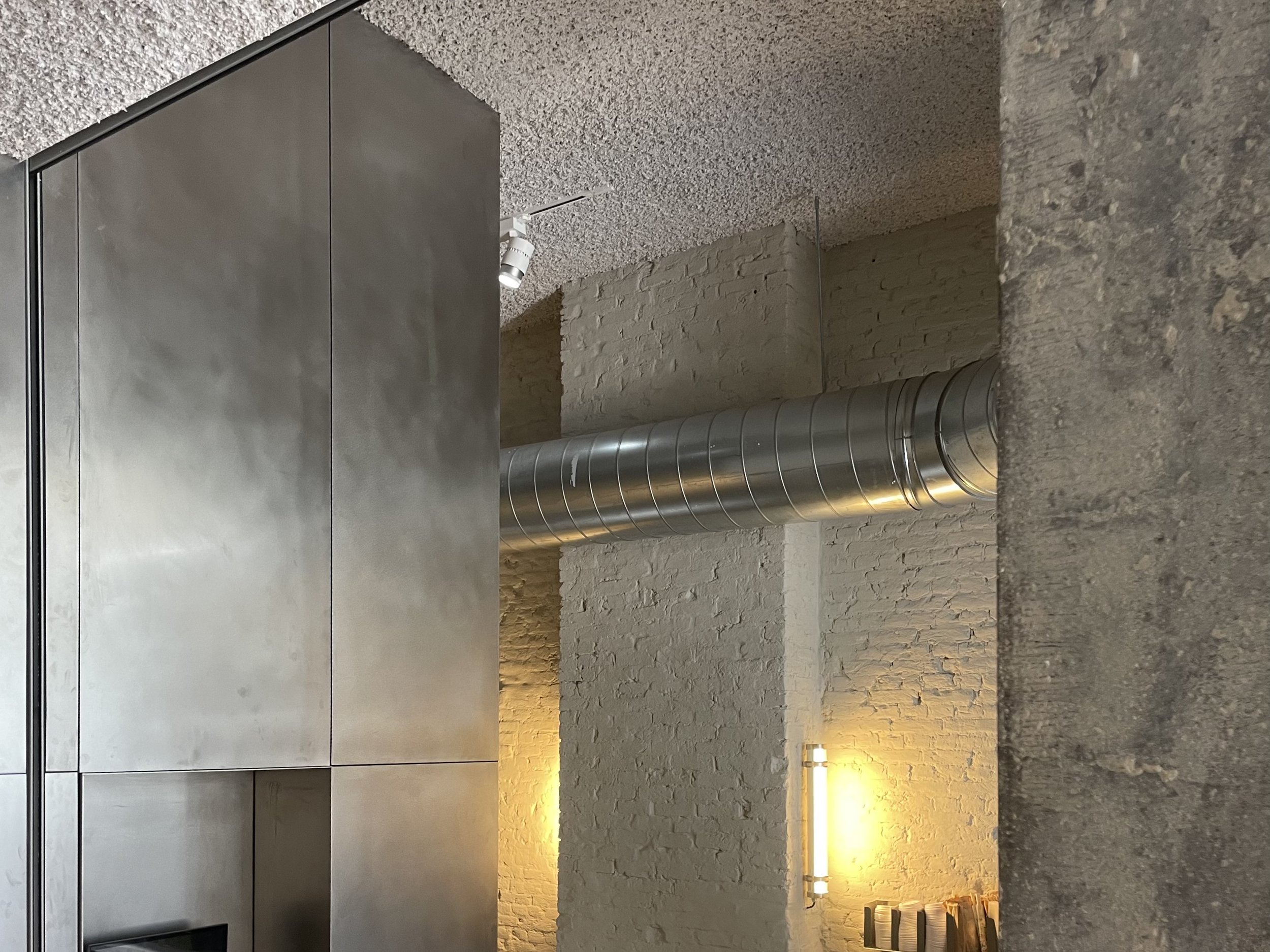
Following previous collaborations with Tine and Lisa, Tiny Tinsel Takeout extends the Tinsel story into a more compact format focused on takeaway and a curated shop.
Housed within a long and unusually narrow former retail space, the project was shaped by a series of spatial constraints, including a pronounced bottleneck at its centre. Rather than attempting to conceal these conditions, the design embraces them. A monolithic stainless-steel volume occupies the narrowest part of the building, integrating retail displays, refrigeration, storage and circulation into a single architectural element that organises the entire space.
Rather than hiding production behind the scenes, the building is organised around the people who use it every day. Visitors enter directly into the kitchen and ordering area, where food preparation and customer interaction happen side by side. Further into the building, a second open kitchen dedicated to preparation, testing and recipe development occupies a naturally lit space beneath two large rooflights.
Material choices establish a clear dialogue with the original Tinsel. Cast-in-place concrete, exposed aggregates, timber detailing, stainless steel and the characteristic inverted guillotine window create continuity between both locations while responding to the very different needs and conditions of the site.
A compact space organised around making, cooking and everyday use.
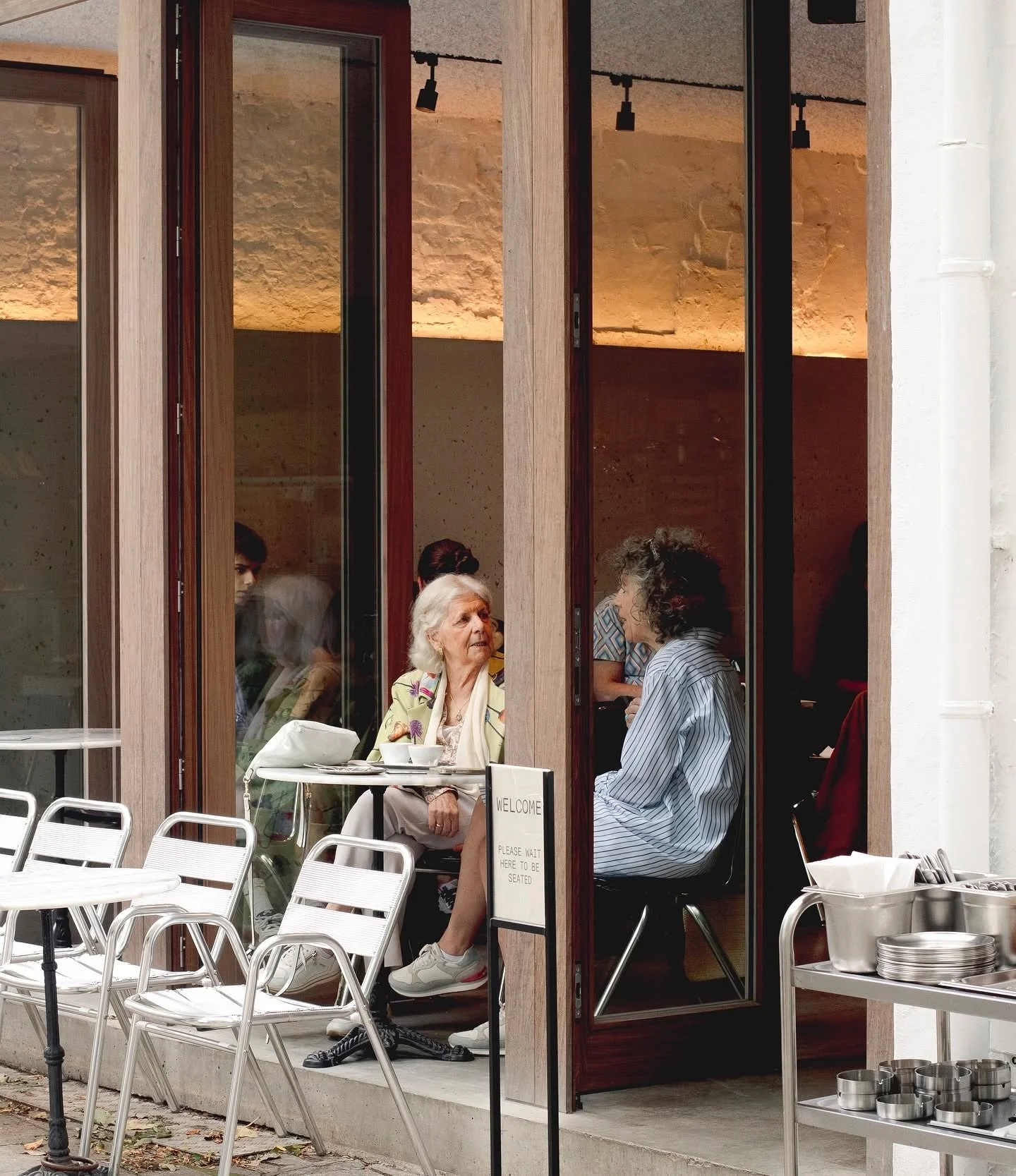
Tinsel relocated from one of Antwerp’s most vibrant neighbourhoods to Sint-Paulusplaats, a square with generous mature trees, a strong orientation and significant untapped potential. The existing building, however, was dark, fragmented and disconnected from both the square and the terrace.
The project focused on rethinking the relationship between food preparation, guests and the square outside. Large opening windows, generous seating along the façade and an open kitchen draw daylight deep into the building and create a continuous dialogue between interior and exterior.
Throughout the project, a restrained palette of concrete, stone and timber was explored across floors, furniture and architectural elements. Custom cast-in-place concrete pieces, natural stone and carefully detailed joinery establish a robust and coherent material language throughout.
A restaurant shaped by daylight, openness and connection.
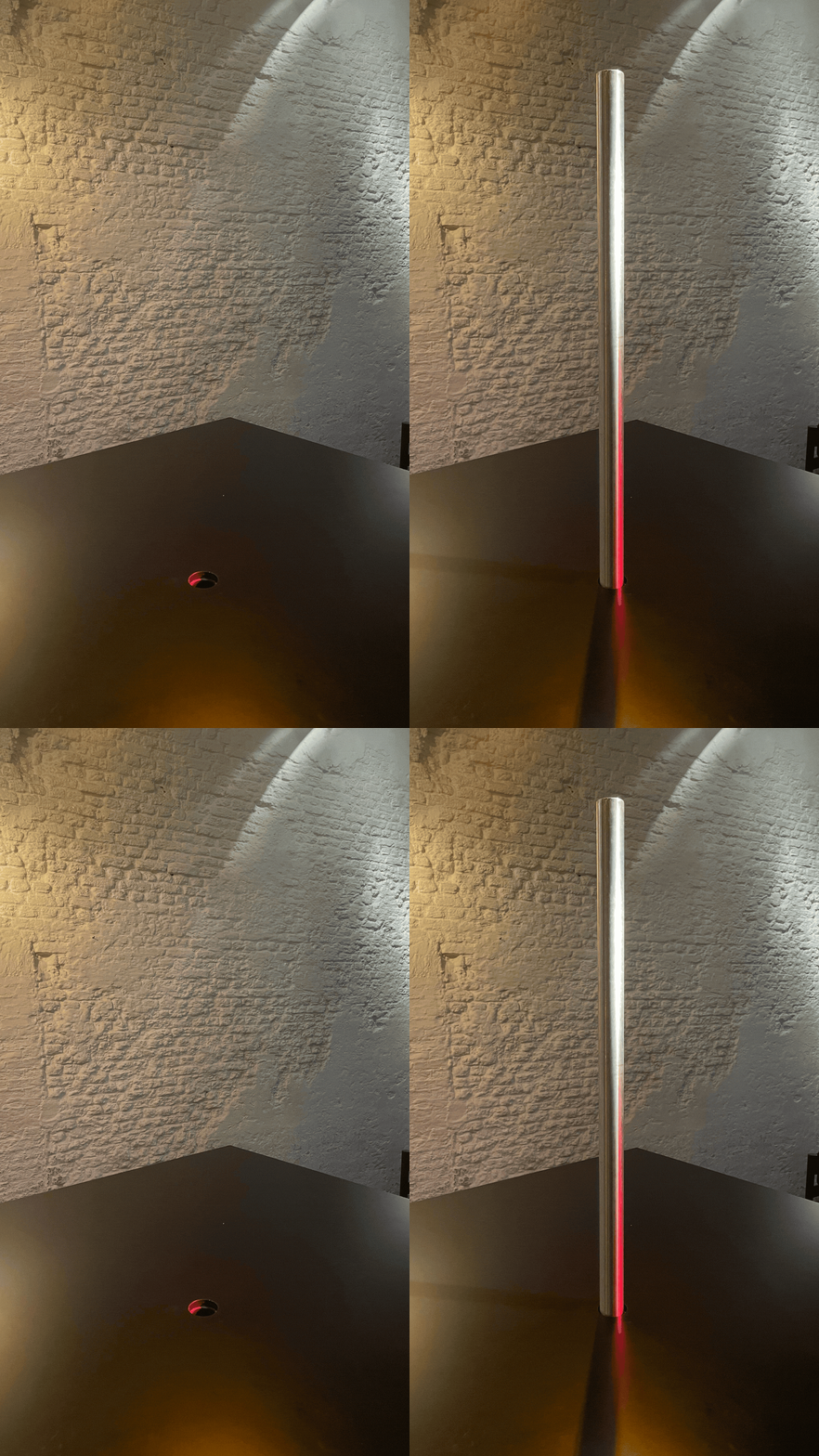
Created in close collaboration with artists Michelle Woods and Roman Hiele, Table Dance was conceived as a place where dining, music, exhibitions and performance could coexist within a single spatial framework.
The kitchen was moved from the back of the building onto a stage-like platform at the centre of the space, making cooking part of the experience. A large communal table connected guests directly to the chefs, creating an atmosphere closer to a shared gathering than a conventional restaurant.
The interior balances qualities of both a black box and a white cube, allowing the space to continuously adapt between restaurant, exhibition, concert venue and performance setting. Custom bar stools developed together with artists Tom Volkaert and Jack Davey blur the boundary between furniture and artwork, making art part of everyday use.
A space where hospitality and the arts intersect.
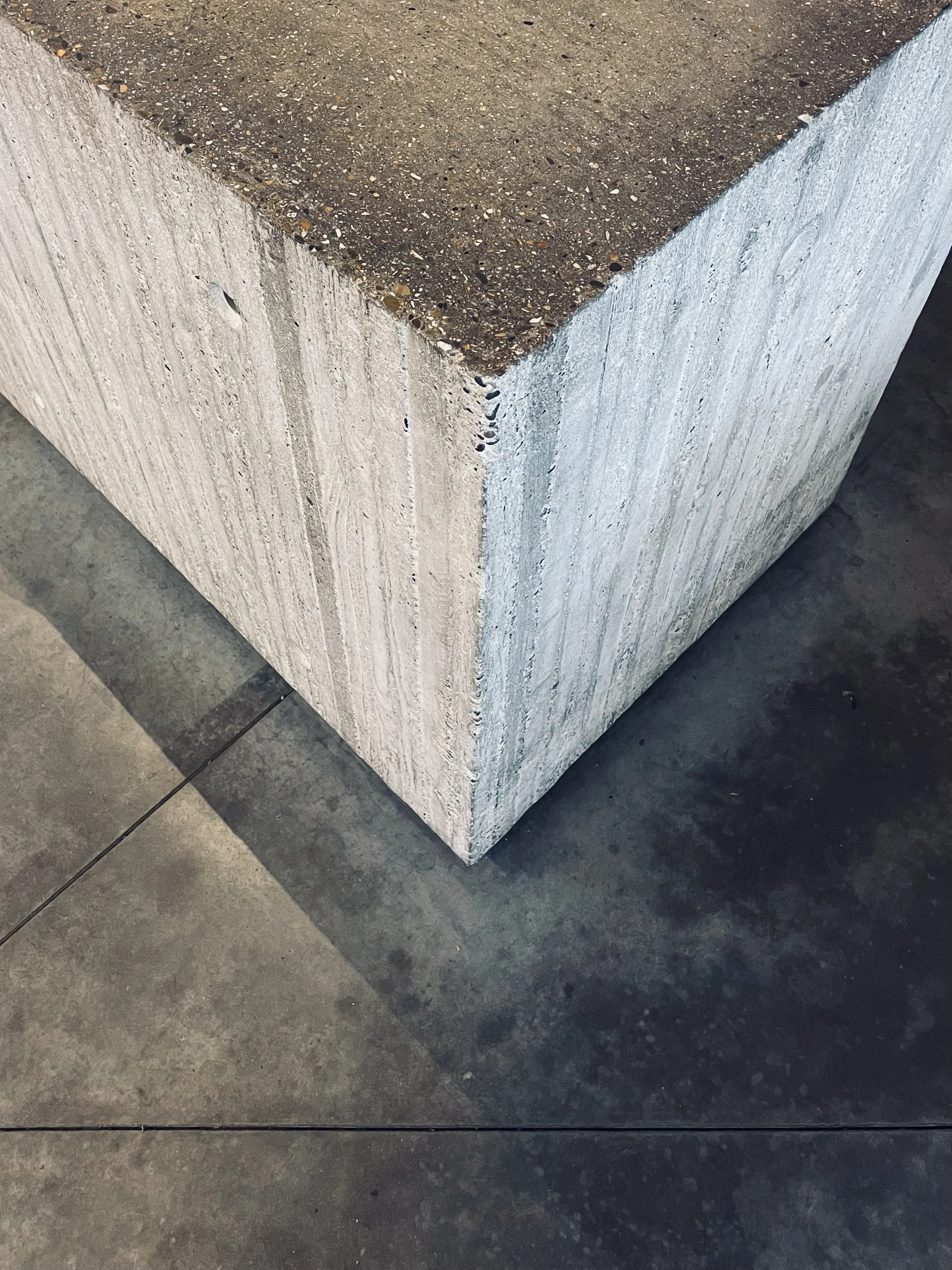
A bicycle workshop and retail space for brothers Sam and Tomas.
The existing warehouse was stripped back to its essentials, revealing the original brickwork and concrete structure. The design focused on giving the workshop a bright and central position within the building, making the mechanics and their work visible.
Built on a modest budget, the project embraced reuse wherever possible. Workshop benches were assembled from reclaimed pallet racking and bowling-lane tops, while a cast-in-place concrete counter echoes the raw materiality of the building. Much of the construction was carried out by the owners themselves.
An honest workshop built around craft, repair and reuse.
upcoming projects
upcoming projects
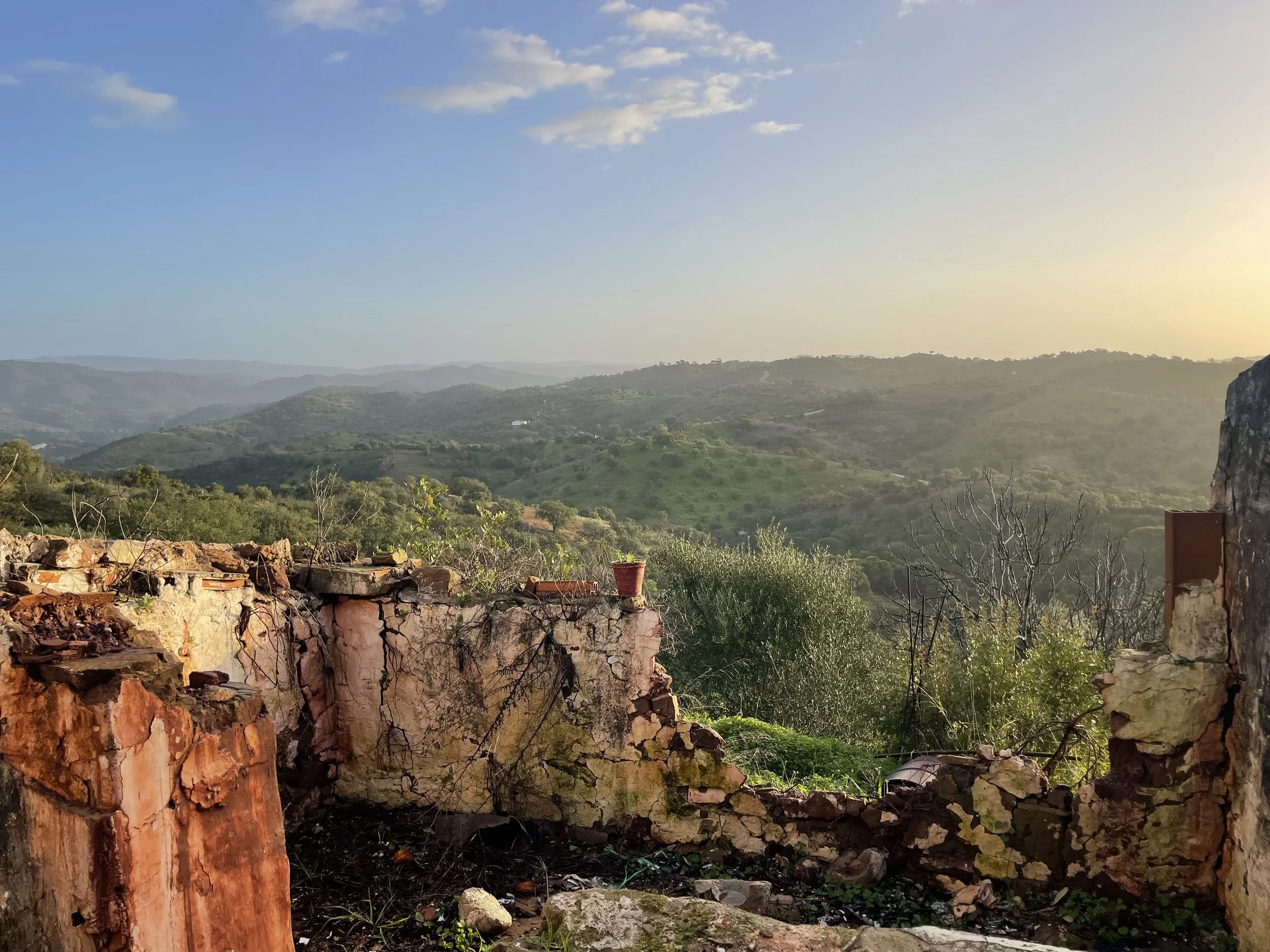
Located in the hills of Santa Catarina da Fonte do Bispo, this former farmhouse is being transformed into our home in Portugal.
As a personal project, it offers the freedom to explore ideas that rarely emerge from a conventional brief. Rather than gathering all functions beneath a single roof, living, working, cooking and resting are distributed across a collection of buildings connected by courtyards, terraces and gardens.
Drawing from vernacular Algarve architecture, the project explores natural materials, climate-responsive design and a way of living that remains closely connected to the landscape. Daily life unfolds through movement between buildings, outdoor rooms and cultivated spaces.
An ongoing exploration of architecture, landscape and everyday life.
SANTA CATARINA, PT
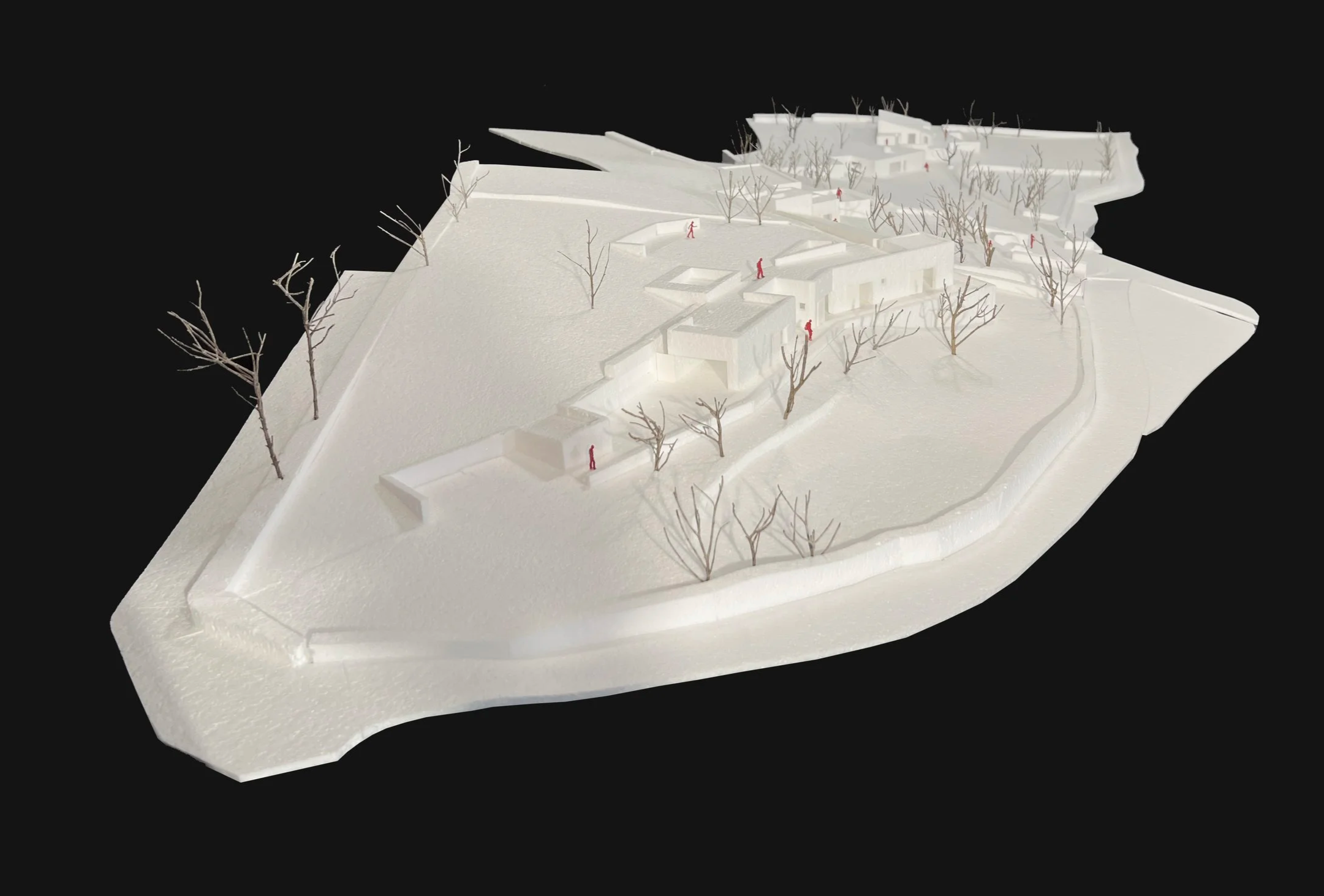
Apracolina is an ongoing project in the Algarve exploring the relationship between architecture, landscape and shared living.
Developed in close collaboration with Estudio ODS, the project combines the restoration of traditional rural buildings with carefully integrated new interventions. The architecture draws from local building traditions, natural materials and bioclimatic principles while adapting them to contemporary ways of living.
Designed to accommodate both shared and independent use, the project can host family gatherings, retreats, workshops and artist residencies. Buildings function individually while remaining part of a larger whole, allowing different forms of occupation and community to coexist.
Particular attention is given to the relationship between architecture and landscape. Rather than introducing heavily designed gardens, the project seeks to work with existing ecologies and support the regeneration of native habitats, making the surrounding landscape an active part of everyday life.
An exploration of architecture rooted in climate, landscape and community.